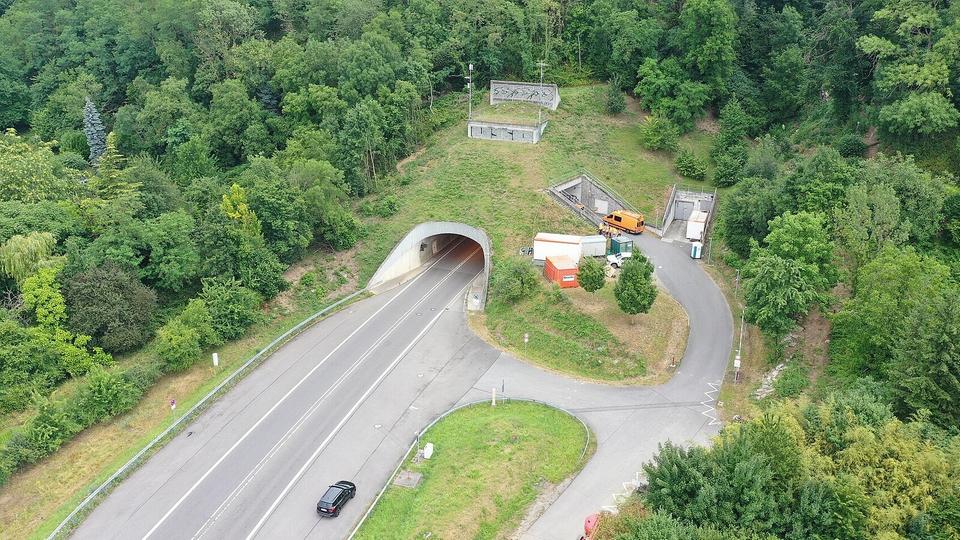
Saukopftunnel Accident Today: What it Means for Your Commute
Today's news is dominated by the unfortunate incident at the Saukopftunnel, an event that has significantly disrupted the daily routines of thousands of commuters in the Rhine-Neckar region. The
Unfall Saukopftunnel Heute is more than just a traffic report; it's a major logistical challenge, prompting a scramble for alternative routes and raising questions about infrastructure safety and preparedness. If your daily commute involves traversing this crucial connection between Weinheim and Birkenau, you're undoubtedly feeling the immediate impact. This article aims to provide a comprehensive overview of the situation, offer practical advice for navigating the chaos, and look at the broader implications of such an incident.
What We Know So Far About the Saukopftunnel Accident
The early hours of today saw a significant incident unfold within the Saukopftunnel, leading to its immediate and indefinite closure. While details are still emerging from official sources, initial reports confirm a multi-vehicle collision, which occurred at approximately [insert hypothetical time, e.g., 7:30 AM] near the [insert hypothetical direction, e.g., northern portal]. Emergency services, including local police, fire departments, and paramedics, were dispatched swiftly to the scene. Their immediate focus has been on ensuring the safety of those involved, clearing the scene, and assessing the extent of the damage to the tunnel infrastructure.
The scale of the accident has necessitated a complete shutdown of the tunnel in both directions. This closure affects not only the direct passage along the B38 but also has ripple effects on surrounding roads, including connections to the B37 and major motorways like the A5 and A6. Commuters relying on this route for travel between Weinheim, Birkenau, and further destinations such as Heidelberg or Darmstadt are now facing considerable delays and diversions. Traffic authorities have advised drivers to avoid the area entirely if possible and to expect significant congestion on alternative routes.
The incident underscores the critical role the Saukopftunnel plays in regional connectivity. Its temporary unavailability means that a vital artery has been severed, forcing a considerable re-routing of traffic. For a deeper dive into the specifics of what happened and the immediate traffic implications, you can read our detailed report:
Saukopftunnel Accident Today: Full Details and Traffic Impact. We will continue to monitor the situation and provide updates as they become available, directly from official police and traffic management sources. Understanding the full scope of the
Unfall Saukopftunnel Heute is the first step in planning your day effectively.
Navigating the Chaos: Your Commute Alternatives
The closure of the Saukopftunnel presents a significant challenge for daily commuters. However, with careful planning and the right information, it's possible to minimize the disruption to your schedule. Here are some actionable tips and alternative routes to consider:
*
Check Real-Time Traffic Apps: Your most valuable tool right now is a reliable traffic app. Services like Google Maps, Waze, and the ADAC Staumelder provide real-time updates on road closures, congestion, and estimated travel times. They can dynamically suggest the fastest alternative routes based on current conditions.
*
Consider Public Transportation: Depending on your origin and destination, public transport might be a viable option.
- Regional Trains (S-Bahn): Check connections from Weinheim, Birkenau, and surrounding areas. The S-Bahn network might offer a way to bypass the road closures, though you may need to factor in additional time for transfers.
- Bus Services: Local bus operators might have adjusted schedules or introduced special routes. Consult the websites of local transport authorities (e.g., VRN) for the latest information.
*
Alternative Road Routes:
- Via Neckarsteinach/Eberbach: For those traveling longer distances, heading east towards Neckarsteinach and then south along the Neckar river (e.g., B37) before rejoining the main network might be an option. This is a significantly longer route but could offer less congestion than immediate local detours.
- Longer Motorway Detour: If feasible, a wider loop using the A5 and A6 motorways could be considered, though this will add substantial mileage and likely encounter increased traffic due to the tunnel closure. For example, traveling via Darmstadt or Heidelberg to bypass the immediate affected area.
- Local Roads (with caution): While tempting, local roads in Birkenau, Gorxheimertal, and other surrounding villages are not designed for the volume of traffic that typically uses the tunnel. Expect severe congestion and be considerate of residents. Traffic diversions will often route you through these areas, so patience is key.
*
Adjust Your Schedule:
- Work from Home: If your employer allows it, working remotely today could be the most efficient solution.
- Delay Travel: If you don't have urgent appointments, consider postponing non-essential travel until later in the day, or even tomorrow, when the situation might have clearer resolution.
- Leave Earlier/Later: If travel is unavoidable, try to shift your commute outside of peak hours, though "peak hours" will likely be extended today due to the incident.
Remember, patience and flexibility are crucial. The
Unfall Saukopftunnel Heute has created an unprecedented challenge, and adapting your commute strategy will be essential.
Beyond the Detours: Long-Term Impacts and Tunnel Safety
While the immediate concern is navigating today's commute, an incident of this magnitude at the Saukopftunnel also prompts a look at broader implications, from economic effects to the critical importance of tunnel safety.
Firstly, the prolonged closure of such a vital link has economic repercussions. Local businesses, particularly those relying on timely deliveries or commuters for their customer base, will feel the pinch. Logistics companies face increased fuel costs and longer delivery times. The region's overall economic flow, even if temporarily, is disrupted.
Secondly, incidents like the
Unfall Saukopftunnel Heute serve as critical tests for existing infrastructure resilience and emergency protocols. Authorities will be reviewing every aspect of the response, from the speed of emergency service deployment to the effectiveness of traffic management and communication with the public. Lessons learned from this event will undoubtedly feed into future safety assessments and infrastructure upgrades, not just for the Saukopftunnel but for similar critical routes nationwide.
Finally, and perhaps most importantly, the accident brings tunnel safety to the forefront. Tunnels, by their nature, present unique challenges. Restricted space, limited escape routes, and ventilation systems mean that accidents inside them can escalate quickly and have severe consequences. Modern tunnels like the Saukopftunnel are equipped with numerous safety features designed to mitigate risks, including:
- Advanced Ventilation Systems: To clear smoke and fumes in case of fire or prolonged congestion.
- Emergency Exits and Escape Routes: Clearly marked paths to safety.
- Fire Extinguishers and Hydrants: Strategically placed for initial response.
- Monitoring Systems: CCTV cameras and traffic sensors to detect incidents quickly.
- Emergency Telephones: Direct lines to control centers.
Drivers also play a crucial role in tunnel safety. Maintaining a safe distance, adhering to speed limits, avoiding sudden lane changes, and knowing what to do in an emergency are paramount. In the event of an accident or breakdown in a tunnel, it is vital to:
- Switch on your hazard lights.
- If possible, drive to an emergency bay or the tunnel exit.
- If not, stop as close to the right edge as possible.
- Turn off your engine.
- Follow the instructions from tunnel loudspeakers or variable message signs.
- Use an emergency telephone to report the incident.
For a more detailed guide on how to stay safe when driving through tunnels, especially in light of today's events, please refer to our dedicated article:
After Today's Saukopftunnel Accident: Safety Tips for Tunnels. Such incidents are stark reminders of the potential dangers and the importance of both robust infrastructure and individual vigilance.
Real-Time Updates and Where to Find Them
Staying informed is critical during dynamic situations like the one created by the
Unfall Saukopftunnel Heute. For the most accurate and up-to-date information, rely on official and reputable sources:
- Police and Local Authorities: Check the official websites or social media channels of the local police (e.g., Polizeipräsidium Mannheim) and regional traffic management centers.
- ADAC Staumelder: The German Automobile Club (ADAC) provides comprehensive and reliable real-time traffic information, including details on closures, detours, and estimated clearance times.
- Radio Stations: Tune into local radio stations (e.g., SWR, HR, Radio Regenbogen). They often provide immediate traffic updates and expert commentary.
- Traffic Information Services: Websites like verkehr.nrw, which covers traffic in North Rhine-Westphalia but often links to national traffic portals, or dedicated regional services are excellent resources.
- Navigation Apps: As mentioned, Google Maps, Waze, and TomTom's traffic services update dynamically based on real-time data from millions of users and official sources.
Be cautious of unofficial social media reports that may spread misinformation. Always cross-reference information with at least two reliable sources before making decisions about your travel plans.
Conclusion
The
Unfall Saukopftunnel Heute serves as a stark reminder of how quickly our daily commutes and regional infrastructure can be impacted by unforeseen events. The immediate disruption is significant, requiring patience, flexibility, and a proactive approach to planning from every commuter. While navigating the current chaos, it's also an opportunity to reflect on the broader implications of such incidents, from economic ripples to the critical importance of robust tunnel safety measures and individual driver responsibility. As the situation evolves, staying informed through official channels and prioritizing safety will be paramount. We extend our thoughts to all those affected by the accident and commend the swift response of the emergency services working tirelessly at the scene.