Saukopftunnel Accident Today: Full Details and Traffic Impact
Breaking news has emerged from the Black Forest region of Germany, where the Saukopftunnel has been completely shut down following a significant accident earlier today. The incident, referred to by authorities as "Der Unfall Saukopftunnel Heute," occurred during the morning rush hour, causing immediate and extensive traffic disruptions across a vital transport artery. Emergency services are on the scene, managing the aftermath and conducting rescue operations, while commuters face severe delays and are urged to seek alternative routes.
This comprehensive report delves into the full details of the incident, the swift response from rescue teams, the far-reaching traffic impact, and what drivers and residents need to know to navigate the current situation effectively. Understanding the specifics of this accident is crucial not only for immediate travel planning but also for reinforcing the importance of tunnel safety.
Incident Overview: What Happened in the Saukopftunnel?
The accident within the Saukopftunnel was reported around 7:45 AM local time, involving multiple vehicles. Preliminary reports indicate that a chain-reaction collision, possibly initiated by a heavy goods vehicle, occurred approximately 500 meters from the southern entrance of the tunnel. While the exact cause remains under investigation, early witness statements and initial police findings suggest factors such as insufficient safety distance, momentary inattention, or potentially adverse road conditions played a role.
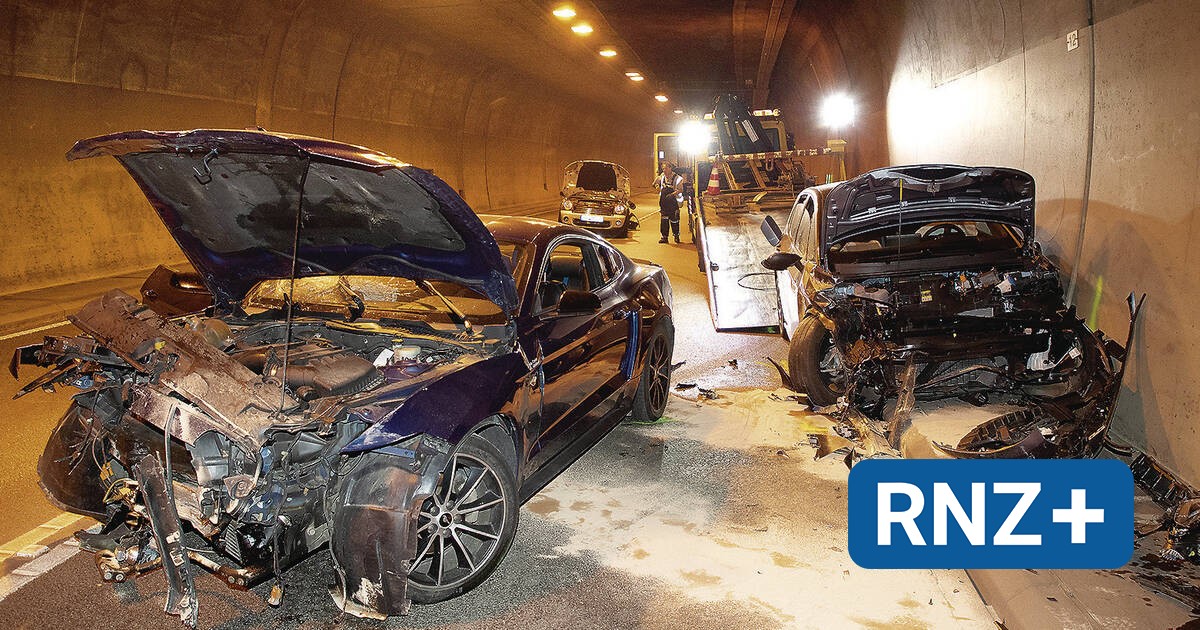
Several passenger cars and at least one truck were involved in the pile-up. The collision resulted in significant damage to the vehicles, leading to fuel leaks and considerable debris strewn across the roadway. Thankfully, initial reports from the scene suggest that while a number of individuals sustained injuries, none are currently life-threatening. Emergency medical teams attended to at least eight injured persons, with three requiring immediate hospitalization for moderate injuries, including fractures and lacerations. The quick response of drivers who were not directly involved in securing the scene and alerting authorities is commendable.
The tunnel’s state-of-the-art surveillance systems immediately detected the incident, triggering automatic alerts to local emergency services. Smoke development, though not from a fire, complicated visibility and necessitated rapid ventilation measures. The severity of the incident prompted an immediate and full closure of the Saukopftunnel in both directions, a measure deemed essential for public safety and to facilitate the extensive rescue and recovery efforts.
Emergency Response and Rescue Operations
The response to the Unfall Saukopftunnel Heute was swift and highly coordinated. Within minutes of the accident alert, units from the local fire brigade, police, paramedics, and specialized technical relief organizations (THW) were mobilized. Given the confined and complex environment of a tunnel, the emergency protocols are particularly stringent, focusing on rapid access, victim extraction, and ensuring the safety of rescue personnel.
Firefighters, equipped with breathing apparatus, were among the first to enter the tunnel, assessing the situation, containing potential hazards like fuel spills, and initiating the process of stabilizing damaged vehicles. Paramedics provided immediate first aid to the injured at the scene before transporting them to nearby medical facilities. Police officers secured both entrances of the tunnel, establishing a wide perimeter and setting up initial diversion routes.
A major challenge faced by the rescue teams was the evacuation of uninjured individuals who were trapped behind the accident site. Utilizing emergency exits and guide systems, these individuals were safely led out of the tunnel. Specialized recovery vehicles are now on site, working to carefully remove the extensively damaged vehicles and clear the debris. This phase is particularly time-consuming, as it requires meticulous planning to avoid further damage to the tunnel infrastructure and to ensure all evidence for the ongoing investigation is preserved.
The efficiency of the emergency response underscores the rigorous training and robust safety systems in place for critical infrastructure like the Saukopftunnel. The collaboration between various agencies has been seamless, prioritizing human life and mitigating further risks.
Significant Traffic Impact and Recommended Diversions
The closure of the Saukopftunnel, a critical link connecting the Rhine Valley with the Black Forest region, has had a profound impact on local and regional traffic flow. As of midday, significant congestion has been reported on all major alternative routes. Commuters attempting to traverse the area are experiencing delays of several hours, particularly on the B3 and various smaller connecting roads that are now bearing the brunt of redirected traffic.
Authorities have strongly advised drivers to avoid the area if possible and to follow official diversion signs. The primary alternative routes include a circuitous detour via the L116 and L117 through surrounding towns, which are not designed to handle such a high volume of traffic. This has led to bottlenecks and slow-moving traffic, particularly in urban areas.
It is anticipated that the Saukopftunnel will remain closed for the remainder of today, and possibly into the early hours of tomorrow morning, depending on the speed of vehicle recovery, debris clearance, and a thorough inspection of the tunnel structure for any damage. Engineers will need to assess the integrity of the tunnel walls, lighting, ventilation systems, and emergency communication channels before it can be deemed safe for reopening.
Practical advice for commuters and travellers:
- Check Real-Time Updates: Before starting your journey, consult official traffic apps (e.g., ADAC, Google Maps, Waze) or listen to local radio stations for the latest information on tunnel status and alternative routes.
- Allow Extra Time: Expect significant delays and add substantial buffer time to your travel schedule.
- Consider Public Transport: If feasible, explore public transportation options for your commute, as trains and buses may offer a less impacted alternative.
- Work Remotely: For those with flexible work arrangements, consider working from home today to avoid the disruption entirely.
- Stay Calm and Patient: Traffic jams can be frustrating, but maintaining patience and adhering to traffic laws is crucial for everyone's safety.
For a deeper dive into how this closure might affect your daily travel, and what immediate steps you can take, please refer to our dedicated guide: Saukopftunnel Accident Today: What it Means for Your Commute.
Enhancing Tunnel Safety: Lessons from the Saukopftunnel Accident
The Unfall Saukopftunnel Heute serves as a stark reminder of the inherent risks associated with tunnel driving and the critical importance of adhering to safety protocols. Tunnels, by their very nature, present unique challenges: reduced visibility, confined spaces, and limited escape routes. While the Saukopftunnel is equipped with modern safety features, including multiple emergency exits, advanced ventilation, fire suppression systems, and constant surveillance, human error remains a significant factor in most accidents.
This incident underscores several key safety considerations for drivers:
- Maintain Ample Distance: Always keep a safe following distance, especially in tunnels where sudden stops can escalate quickly into multi-vehicle collisions.
- Observe Speed Limits: Tunnel speed limits are set for a reason; exceeding them drastically reduces reaction time and stopping distance.
- Stay Focused: Avoid distractions such as mobile phones. A momentary lapse in attention can have catastrophic consequences.
- Know Emergency Procedures: Familiarize yourself with emergency signs, exits, and what to do in case of a breakdown or accident within a tunnel (e.g., turn off engine, turn on hazard lights, call for help, move to an emergency bay if possible).
- Be Prepared: Ensure your vehicle is well-maintained, especially brakes and lights, before entering a tunnel.
Authorities will undoubtedly review the circumstances of this accident to identify any potential systemic improvements, whether in infrastructure, signage, or public awareness campaigns. The goal is always to minimize the risk of such incidents and enhance the safety of all road users.
In light of this unfortunate event, it's crucial to reinforce best practices for driving through tunnels. We've compiled a comprehensive list of essential safety tips in our article: After Today's Saukopftunnel Accident: Safety Tips for Tunnels.
Conclusion
The Saukopftunnel accident today has unequivocally created significant disruption and concern across the Black Forest region. While the immediate focus remains on recovery and ensuring the well-being of those affected, this incident serves as a powerful reminder of the vulnerabilities within our transport networks and the paramount importance of road safety. As investigations continue to uncover the full details of what transpired, the regional traffic network will slowly adapt, and the tunnel will eventually reopen. Until then, patience, adherence to official guidance, and a renewed commitment to safe driving practices are essential for everyone navigating this challenging period. Stay informed, drive cautiously, and prioritize safety above all else.