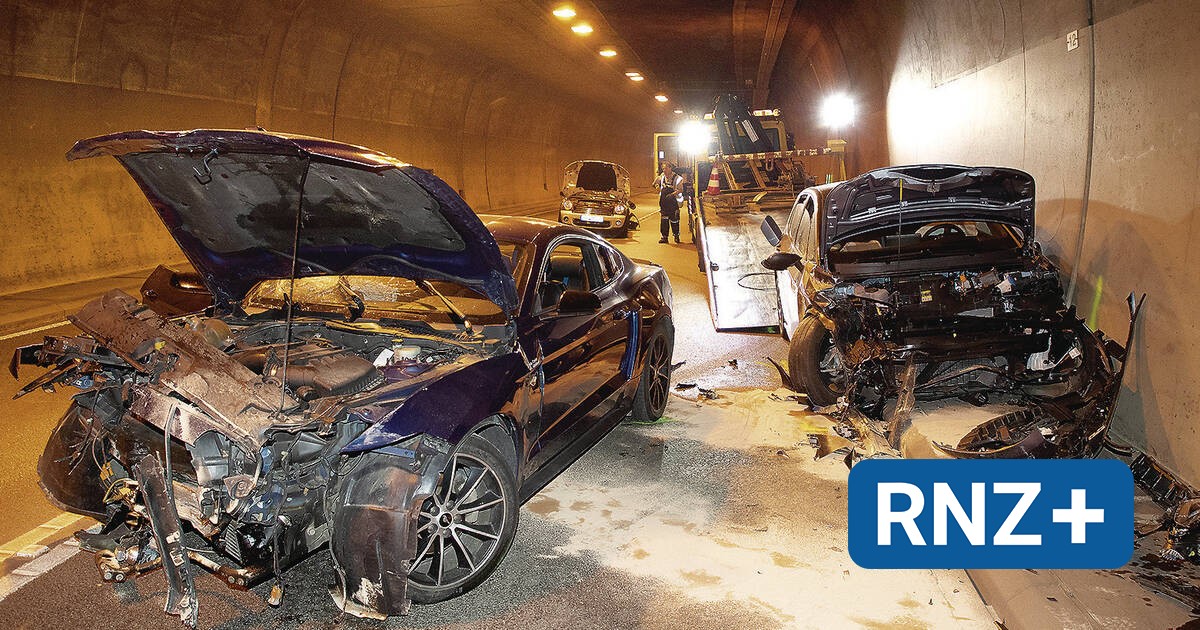
Navigating Tunnels Safely: Lessons from Today's Saukopftunnel Accident
The news of today’s Saukopftunnel accident has undoubtedly sent ripples of concern throughout the community, serving as a stark reminder of the inherent risks associated with driving, especially in confined environments like tunnels. While emergency services are diligently working to manage the situation and address the impact, for a full overview of the incident's repercussions, including its implications for your daily commute, you can refer to our detailed report on Saukopftunnel Accident Today: What it Means for Your Commute. Such incidents, like the Unfall Saukopftunnel Heute, underscore the critical importance of understanding and practicing robust tunnel safety protocols. Tunnels, while efficient for bypassing geographical obstacles, present unique challenges that demand heightened awareness and specific driving strategies. This article aims to transform concern into proactive preparedness, offering comprehensive safety tips to ensure your passage through any tunnel is as safe as possible.
Understanding Tunnel Risks: Why Accidents Happen
Tunnels are engineering marvels, but their enclosed nature introduces a distinct set of risks that differ from open-road driving. Reduced natural light, a confined environment, and the potential for rapid changes in air quality or visibility can all contribute to hazardous conditions. Accidents in tunnels, such as the recent Unfall Saukopftunnel Heute, often stem from a combination of factors:
- Reduced Visibility: The transition from bright daylight to a tunnel's artificial lighting can momentarily impair a driver's vision, especially if they are wearing sunglasses or haven't adjusted to the change. Smoke or fog within the tunnel can exacerbate this.
- Confined Space and Echo: The enclosed walls can create a sense of compression, making some drivers feel claustrophobic or rushed. Sound echoes can also distort auditory cues.
- Higher Speeds and Shorter Reaction Times: Drivers sometimes maintain or even increase speed in tunnels, leading to shorter reaction times if an obstacle or incident occurs.
- Human Error: Distraction, fatigue, tailgating, and improper lane changes remain major contributors to accidents, regardless of the environment. In a tunnel, the consequences of such errors can be amplified.
- Emergency Response Challenges: Access for emergency vehicles and evacuation can be more complex in tunnels, making prompt and correct driver actions even more critical.
Acknowledging these unique challenges is the first step towards mitigating them. By understanding why accidents can occur, we can better prepare ourselves to prevent them.
Essential Pre-Tunnel Checks: Preparing for a Safe Passage
Prevention is always better than cure, and this holds true for tunnel driving. Before you even approach a tunnel, especially a long one or one known for heavy traffic like the Saukopftunnel, a few quick checks can significantly enhance your safety:
- Check Your Fuel Level: Running out of fuel in a tunnel is not just an inconvenience; it's a dangerous obstruction. Ensure you have ample fuel for your journey.
- Lights On, Always: Even if the tunnel is well-lit, your headlights (low beams) should be on. This not only helps you see better but, crucially, makes your vehicle visible to others, especially important during a sudden emergency or power fluctuation.
- Ventilation System: If your car has a recirculation mode for its ventilation system, it's wise to activate it to prevent inhaling exhaust fumes from other vehicles, particularly in older or less well-ventilated tunnels.
- Remove Sunglasses: As you approach a tunnel, take off your sunglasses to allow your eyes to adjust more quickly to the reduced light inside.
- Check Traffic Reports: Before starting your journey, and especially if you're approaching a major tunnel, check local traffic reports. Incidents like the Unfall Saukopftunnel Heute can cause significant delays and diversions, and knowing this beforehand can save you time and stress.
Driving Through a Tunnel: Rules and Best Practices
Once you’re inside the tunnel, a specific set of rules and best practices will guide you safely through:
- Maintain a Safe Distance: Tunnels often have signage recommending increased following distances. Due to reduced visibility and the potential for abrupt stops, always maintain a greater distance from the vehicle in front than you would on an open road. This provides crucial reaction time.
- Adhere to Speed Limits: Tunnels often have lower speed limits for safety reasons. Stick to these limits rigorously.
- Stay in Your Lane: Avoid unnecessary lane changes. The confined space and often higher traffic density make weaving dangerous.
- Pay Attention to Signage: Look out for electronic signs and indicators that provide real-time information about conditions ahead, speed limits, or emergency instructions.
- Listen to Radio Announcements: Many modern tunnels broadcast important information, warnings, or emergency instructions via your car radio (often on a specific frequency that is automatically tuned). Keep your radio on and tuned to local stations.
- Be Aware of Emergency Exits and Call Boxes: Note the locations of emergency exits, pedestrian walkways, and emergency call boxes as you drive. Knowing where they are can be vital in an emergency.
- Avoid Stopping (Unless Necessary): Only stop in a tunnel if absolutely necessary due to traffic congestion, an accident, or a breakdown. If you must stop, activate your hazard lights immediately.
What to Do in an Emergency: Fire, Breakdown, or Accident
Despite all precautions, emergencies can happen, as sadly demonstrated by the Unfall Saukopftunnel Heute. Knowing how to react calmly and correctly can save lives:
Breakdown:
- Activate Hazard Lights: Immediately turn on your hazard warning lights.
- Move to the Side: If possible, steer your vehicle to the nearest emergency lane or lay-by. If not, try to get as close to the tunnel wall as safely possible.
- Turn Off Engine: Switch off your engine to reduce emissions.
- Use Warning Triangle: If safe to do so, place your warning triangle about 50-100 meters behind your vehicle.
- Seek Assistance: Use an emergency call box (SOS phone) or your mobile phone to contact emergency services. Provide your exact location. Stay with your vehicle if it's safe, but be ready to evacuate if instructed.
Fire:
- Stop Vehicle and Turn Off Engine: Bring your vehicle to a complete stop and turn off the engine.
- Evacuate Immediately: If your vehicle catches fire or you witness another vehicle on fire, evacuate yourself and any passengers immediately.
- Use Fire Extinguisher (If Safe): If it’s a small fire and you have access to a fire extinguisher, and it is safe to do so without endangering yourself, you may attempt to put out the fire. However, personal safety is paramount.
- Head to Nearest Emergency Exit: Proceed to the nearest emergency exit or safe area. Follow marked escape routes.
- Alert Authorities: Use an emergency call box to alert tunnel operators and emergency services.
Accident (General):
- Activate Hazard Lights: Turn on your hazard lights immediately to warn approaching traffic.
- Assess Situation: Check for injuries to yourself and your passengers. If safe, check on others involved in the accident.
- Call Emergency Services: Use an emergency call box or mobile phone to call for help. Provide clear details of the accident's location and severity.
- Stay Clear of Danger: If your vehicle is safe to remain in, stay put. If there is a risk of fire or further collision, evacuate to a safe area (e.g., emergency walkway, nearby exit).
- Follow Instructions: Obey all instructions from tunnel staff, emergency personnel, or electronic signage.
Advanced Safety Systems in Modern Tunnels
While driver vigilance is key, it's reassuring to know that modern tunnels are equipped with sophisticated safety systems designed to prevent and manage incidents. These systems are constantly evolving and played a role in mitigating the impact of the Unfall Saukopftunnel Heute. They include:
- Advanced Ventilation Systems: Capable of extracting smoke and fumes, crucial for maintaining air quality and visibility during incidents.
- Integrated Lighting: Designed to prevent "black hole" effect upon entry and exit, and often equipped with emergency lighting.
- Emergency Exits and Cross-Passages: Clearly marked routes for pedestrian evacuation to parallel escape tunnels or safe areas.
- CCTV and Monitoring: Constant surveillance allows tunnel operators to detect incidents quickly and dispatch aid.
- Fire Detection and Suppression: Sensors detect smoke and heat, triggering alarms and, in some cases, automated sprinkler systems.
- Emergency Communication Systems: Public address systems and dedicated radio frequencies ensure drivers receive critical information.
Conclusion
The unfortunate incident of the Unfall Saukopftunnel Heute serves as a powerful reminder that vigilance on the road is non-negotiable, especially in environments with unique challenges like tunnels. By understanding the risks, performing simple pre-tunnel checks, adhering to best driving practices, and knowing precisely what to do in an emergency, we can significantly enhance our safety and the safety of others. While tunnel operators and engineers constantly strive to make these passages safer through advanced technology, the ultimate responsibility rests with each driver. Drive safely, stay alert, and be prepared – your life and the lives of others may depend on it.